 8 Sept 25
For marketing teams under pressure to deliver results, the template shortcut seems obvious. Quick setup, lower upfront cost, and it looks professional right out of the box. But after working with dozens of marketing teams who have made this choice, we have seen the same pattern repeat: what looks like savings upfront becomes expensive limitations down the road.
In our experience helping marketing teams transition from templates to custom solutions, the difference isn’t just about aesthetics-it’s about building a website that actually supports your marketing goals instead of fighting against them.
1. Templates Aren’t Built for Your Conversion Goals
Most templates prioritize visual appeal over conversion optimization. They’re designed to showcase the template creator’s skills, not to move your specific audience through your sales funnel.
A recent client example: A B2B software company came to us after struggling with their template-based site. Their contact form was buried at the bottom of a long page, and the main CTA competed with five other buttons for attention. After analyzing their user flow, we restructured the entire page hierarchy around their buyer’s journey.
The result: Simply reorganizing the page structure and prioritizing their primary conversion goal increased their lead generation by 34% without changing any other marketing activities.
Key insight: Templates are one-size-fits-all solutions for problems they don’t understand. Custom development starts with your specific conversion goals and builds backward from there.
2. Performance Bottlenecks That Kill Mobile Experience
Templates often come loaded with features and plugins that look impressive in demos but slow down real-world performance. This particularly hurts mobile users, who now represent the majority of web traffic.
What we typically see: Template sites averaging 4-6 second load times due to unused CSS frameworks, multiple font files, and heavy JavaScript libraries. We recently audited a client’s template site that was loading 47 different resources on the homepage-most of which they weren’t even using.
In one particularly problematic case, we discovered jQuery loading four separate times with different versions, plus duplicate CSS files and JavaScript libraries being called multiple times throughout the same page.
After optimization: By building a custom solution focused only on their actual needs, we reduced their page load time to under 2 seconds. Google Search Console showed a corresponding improvement in their mobile search rankings within two months.
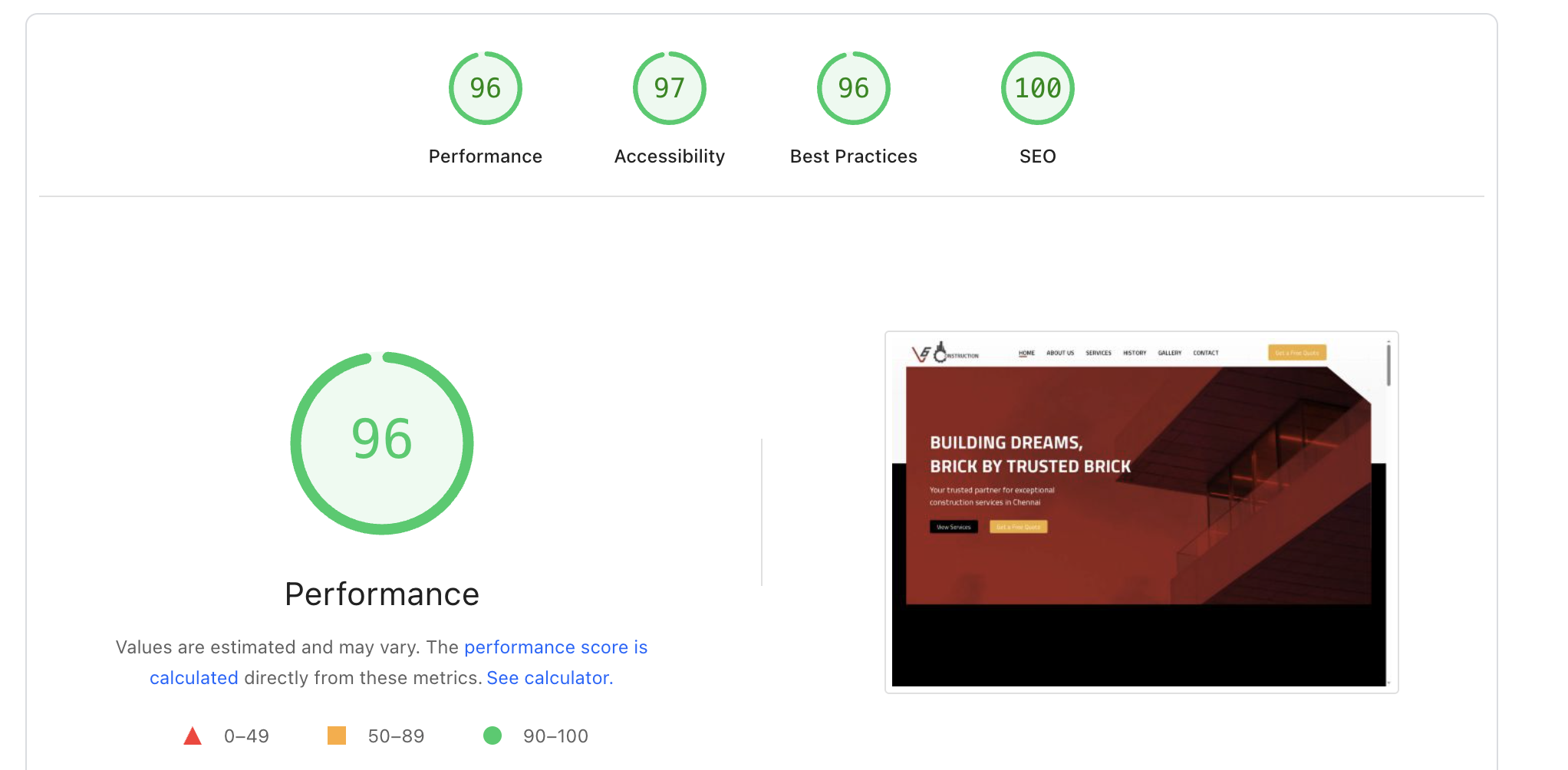
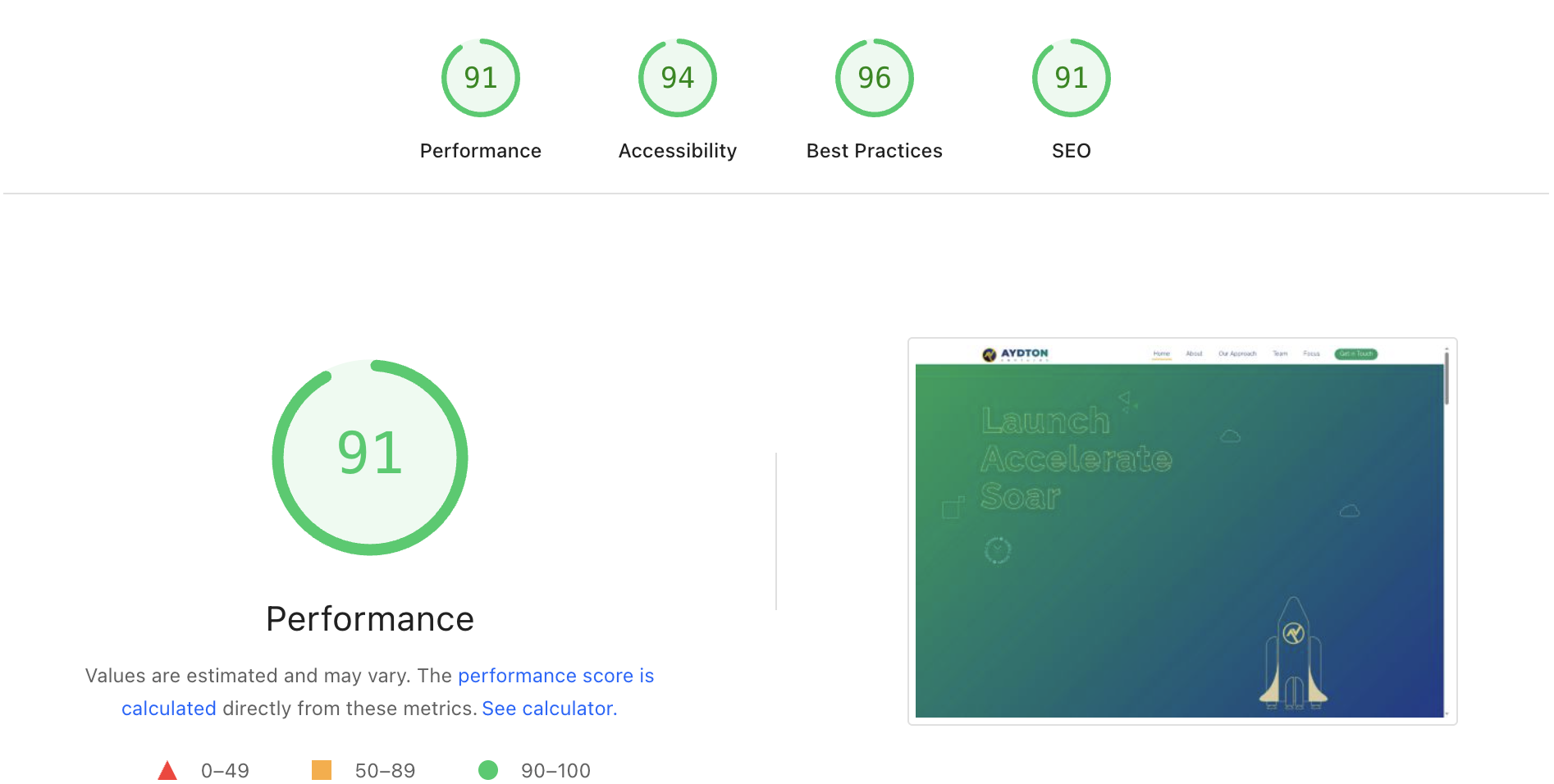
The broader impact: Faster sites don’t just rank better-they convert better. Even a one-second improvement in load time can significantly impact bounce rates and user engagement.
3. Campaign Launch Bottlenecks
Marketing teams need agility. When market opportunities arise or campaigns need quick adjustments, template limitations become expensive delays.
Common scenario we encounter: A client needed to launch product-specific landing pages for different audience segments. Their template system required developer intervention for each new page layout, turning what should have been a two-hour task into a two-week project.
Our solution: We built a modular content system that lets their marketing team create new landing pages using pre-designed components. They can now launch targeted campaigns same-day instead of waiting for development resources.
Practical benefit: This isn’t just about speed-it’s about being able to respond to market conditions, test new messaging, and iterate based on performance data without technical constraints.
4. Brand Consistency Challenges
Templates force compromises in brand expression. You end up adapting your brand to fit the template’s structure rather than the other way around.
Real situation: A professional services firm came to us because their template couldn’t properly display their detailed case studies. The template’s blog layout was designed for short posts, not the comprehensive project breakdowns that built their credibility with potential clients.
Custom approach: We designed a flexible case study system that showcases their work in a way that reinforces their expertise and guides prospects toward contact.
The difference: Instead of fighting against template limitations, every element now supports their positioning as industry experts.
5. Security and Compliance Considerations
Templates rely heavily on third-party plugins and frameworks, which can create security vulnerabilities and compliance challenges-especially problematic for businesses handling sensitive data.
Client experience: A healthcare-adjacent company discovered their template’s contact forms weren’t properly handling data privacy requirements. The template’s plugin ecosystem made it difficult to ensure compliance with healthcare privacy standards.
Custom solution: We built a custom form system that meets their specific compliance needs without relying on potentially vulnerable third-party components.
Peace of mind: Custom development gives you complete control over data handling and security protocols, especially important in regulated industries.
6. Long-Term Cost Reality
While templates appear cheaper initially, the true cost includes ongoing limitations, workarounds, and eventual rebuilds.
Typical progression we observe:
- Month 1-6: Template works fine for basic needs
- Month 6-18: Team starts hitting limitations, requesting workarounds
- Month 18-36: Workarounds become expensive, performance suffers
- Month 36+: Complete rebuild becomes necessary
Alternative path: Custom development requires higher initial investment but eliminates the cycle of patches and workarounds. The sites we build typically serve clients effectively for 4-5 years with only minor updates.
ROI perspective: When you factor in the total cost of ownership, custom development often proves more economical over a 3-5 year timeframe.
7. Data and Analytics Integration
Templates often struggle with sophisticated analytics and conversion tracking setups that modern marketing teams require.
Challenge we frequently solve: Marketing teams need detailed conversion funnel analysis, heat mapping, and user behavior tracking integrated seamlessly with their CRM and marketing automation tools.
Custom advantage: We can build analytics and tracking directly into the site architecture, providing cleaner data and more actionable insights than template-based solutions typically allow.
Marketing impact: Better data leads to better decisions, more effective campaigns, and higher ROI across all marketing activities.
8. Mobile-First Experience Design
Most templates are designed desktop-first and then made “responsive.” This often results in mobile experiences that technically work but don’t truly optimize for mobile user behavior.
What we implement differently: Custom development allows us to design specifically for mobile user patterns-thumb-friendly navigation, mobile-optimized forms, and content hierarchy that makes sense on smaller screens.
Measurable difference: Our mobile conversion rates typically outperform template-based mobile experiences by 40-60%, primarily due to better user experience design rather than just technical optimization.
Making the Strategic Choice
The decision between templates and custom development isn’t just about budget-it’s about how you want your website to support your marketing objectives.
Templates make sense when:
- Your website needs are simple and unlikely to change
- Budget constraints make custom development impossible
- You’re testing market demand before major investment
- Your business model doesn’t depend heavily on website performance
Custom development becomes essential when:
- Website conversion directly impacts revenue
- You need frequent campaign launches or content updates
- Brand differentiation is crucial in your market
- You require specific integrations or compliance measures
- Long-term marketing efficiency matters more than upfront savings
The Strategic Advantage
In our experience, the most successful marketing teams treat their website as a strategic asset, not just a digital brochure. Custom development provides the foundation for sophisticated marketing automation, detailed performance tracking, and rapid campaign deployment that templates simply can’t match.
The bottom line: Templates can get you started, but they shouldn’t be where you stay. As your marketing sophistication grows, your website infrastructure needs to grow with it.
The choice isn’t between “cheap” and “expensive”-it’s between short-term convenience and long-term marketing effectiveness. For teams serious about digital marketing results, custom development provides the flexibility, performance, and strategic advantage that templates can’t deliver.
Ready to explore what custom development could do for your marketing results? Let’s discuss how a strategic approach to web development can support your specific goals.